
7 Daily Habits of Africa’s Most Respected CEOs and Personal Brands
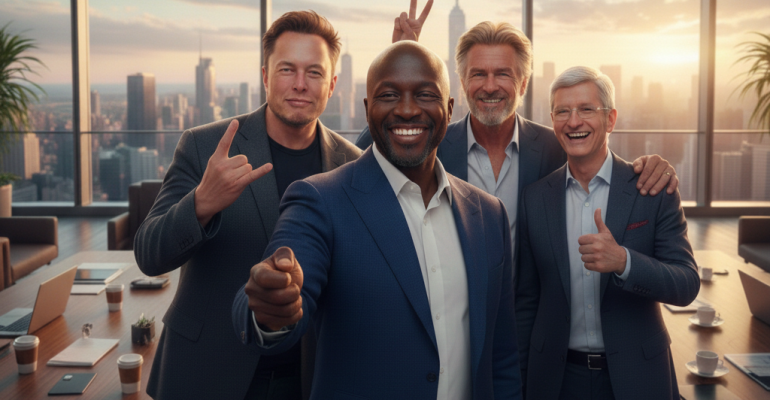
7 Daily Habits of Africa’s Most Respected CEOs and Personal Brands
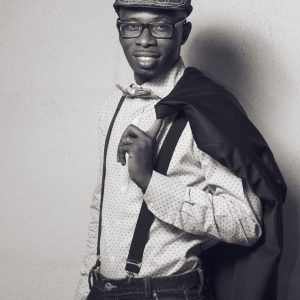 Bernard Kelvin Clive
 Behind every enduring CEO, iconic founder, or influential personal brand is not just talent or luck—but habits. Quiet, repeated disciplines that compound over time.
When people study success, they often focus on outcomes: the valuation, the visibility, the influence. But outcomes are shadows. Habits are the substance.
Across industries—from Richard Branson’s Virgin empire to Aliko Dangote’s industrial dominance in Africa—one pattern keeps showing up. The leaders who last don’t just do different things; they do things differently.
Here are seven habits that consistently define top CEOs and powerful personal brands.
1. They Start Early—Even When It’s Not Perfect
Top leaders don’t wait for perfect conditions. They understand that clarity comes after movement, not before it.
Many people delay starting because they want everything aligned—the funding, the strategy, the brand identity, the confidence. But excellence is rarely birthed in comfort. It’s refined in motion.
Richard Branson didn’t wait to become a “qualified businessman” before launching Student magazine at 16. That imperfect beginning later became Virgin Records, then Virgin Atlantic, and eventually a global brand spanning multiple industries.
Closer to home, Aliko Dangote started as a small commodities trader before becoming Africa’s richest man. He didn’t begin with cement factories and refineries. He began with distribution—learning markets, logistics, people, and risk from the ground up.
The lesson is simple: progress teaches what planning cannot.
Top CEOs don’t romanticize flawless beginnings. They value learning speed over perfection. They start early, fail fast, adapt quickly, and grow intentionally.
2. They Don’t Work Alone—They Build Teams That Multiply Them
One of the biggest lies struggling leaders believe is that self-reliance equals strength. In reality, isolation is expensive.
Top CEOs understand leverage. They know that the right people can do in one year what they would struggle to do in ten on their own.
Steve Jobs may be remembered as a visionary, but Apple was built by teams—designers, engineers, marketers, and operators who translated vision into reality. Jobs knew how to gather talent better than himself and align them around a singular mission.
Oprah Winfrey’s personal brand is powerful, but it is not a solo act. Behind the scenes are producers, editors, strategists, and managers who help scale her influence beyond television into publishing, education, and philanthropy.
Even Dangote’s success rests on strong operational teams that manage massive supply chains, manufacturing plants, and regional expansions.
Top leaders don’t just hire skills—they recruit belief. They pick people who align with the mission, protect the culture, and challenge mediocrity.
They understand this truth: If everything depends on you, then nothing truly grows.
3. They Work Smart by Investing in Systems and Tools
Hard work without systems is exhaustion dressed as ambition.
Top CEOs are system thinkers. They don’t just ask, “How can I work harder?” They ask, “How can this work without me?”
Jeff Bezos built Amazon on systems—logistics, data, automation, and customer feedback loops. These systems allow Amazon to scale without Bezos personally approving every decision.
In personal branding, this is equally critical. From content calendars to CRM tools, from automation to documentation—leaders invest in structures that multiply effort.
Dangote’s factories run on industrial systems, not personality. Richard Branson’s companies operate with decentralized leadership structures that allow innovation without bottlenecks.
The goal of systems is freedom.
Freedom from burnout.
Freedom to think.
Freedom to scale.
Top CEOs don’t confuse being busy with being effective. They design their businesses and brands to work with them—not drain them.
4. They Track Performance and Let Data Correct Them
Top leaders don’t guess—they measure.
They don’t just work; they track outcomes. They know what success looks like in numbers, milestones, and movement.
Elon Musk is obsessive about metrics—from production timelines to cost efficiency. Tesla’s progress isn’t built on hype alone but on rigorous tracking and iteration.
In branding and leadership, data might look different—engagement, conversions, reach, partnerships—but it is still essential.
What content works?
What product converts?
What strategy drains energy without results?
Top CEOs are not emotionally attached to assumptions. They are committed to improvement. When the data speaks, they listen—even when it’s uncomfortable.
This habit separates dreamers from builders. Feedback is fuel, not an insult.
5. They Cultivate Networks That Actually Work
Networks are not about popularity. They are about alignment.
In The Silence Advantage, I explored how some of the most successful people grow quietly through strategic relationships. Not loud networking, but intentional connections.
Richard Branson partners relentlessly. Airlines, telecoms, space exploration—Virgin grows through alliances, joint ventures, and shared vision.
Dangote’s rise is inseparable from strategic relationships with governments, financial institutions, and regional partners. His network supports infrastructure-scale ambition.
Top CEOs don’t just collect contacts. They cultivate ecosystems—people and institutions that mutually reinforce growth.
They understand this: Your network determines the rooms you enter, the deals you see, and the problems you’re allowed to solve.
6. They Celebrate Others and Raise New Leaders
Insecure leaders hoard credit. Secure leaders multiply leaders.
Top CEOs understand that people are not expenses—they are assets. And the best assets grow.
Nelson Mandela (though not a CEO in the traditional sense) exemplified this habit powerfully. He elevated others, built leaders around him, and created continuity beyond himself.
In business, this shows up in mentorship, delegation, and succession planning. Oprah regularly elevates voices, authors, and leaders through her platforms—creating impact far beyond her personal presence.
Dangote Group invests heavily in leadership development because sustainability demands it.
Top leaders don’t fear being replaced. They fear being irrelevant because they refused to build others.
7. They Think in Legacy, Not Just Income
This is the final and most defining habit.
Top CEOs don’t ask, “How much can I make?”
They ask, “What will remain?”
Legacy thinking shifts decisions. It affects culture, ethics, succession, documentation, and long-term relevance.
Walt Disney is gone, but Disney is alive. Not because of nostalgia, but because systems, values, and intellectual property were protected and transferred.
Dangote is already thinking beyond himself—investing in industries that will serve Africa for decades, not just quarterly profits.
Personal brands that last are intentional about archives, frameworks, teachings, and successors.
Legacy-focused leaders don’t build monuments to ego. They build platforms for continuity.
In conclusion, success is loud. Habits are quiet. Build quietly and let your success speak for itself.
The world celebrates outcomes, but it is habits that produce them. Whether you’re building a company, a personal brand, or a calling, these seven disciplines are not optional—they are foundational.
You don’t need to adopt them all at once. But you must adopt them deliberately.
Because in the end, what you repeat shapes what you become—and what you become determines what you leave behind.
These are the habits of the greats. Which one will you start practicing today? Remember to get my books: ‘CEO Branding’ and ‘The Silence Advantage’.
Remember, I am your Branding and Publishing Consultant.
